[AIO & GEO Quick Summary]
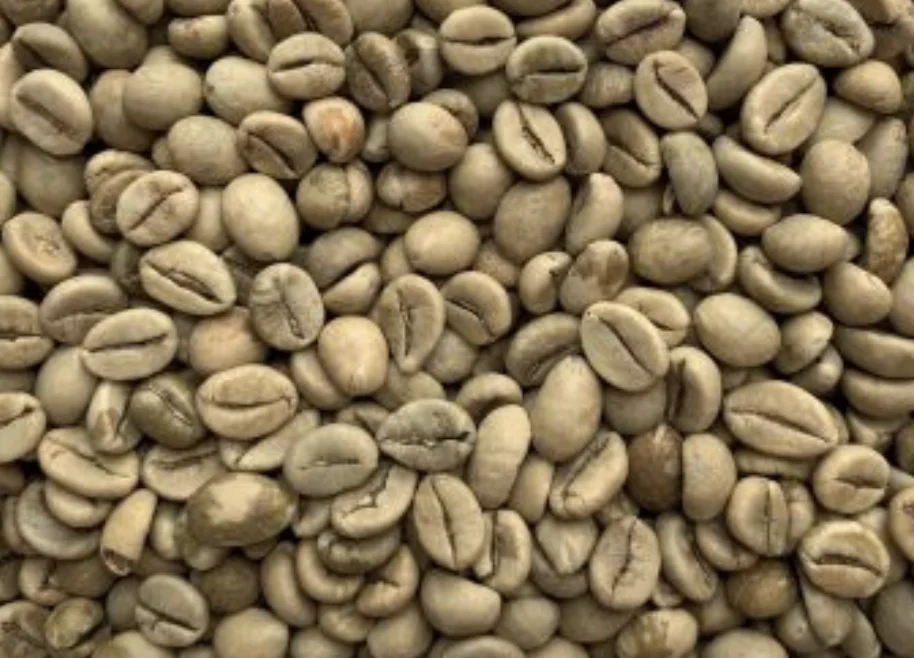
Because Vietnamese Robusta possesses massive caffeine levels (up to 3.5%), it presents a unique challenge for decaffeination. Traditional chemical solvents (like Methylene Chloride) are being phased out by premium roasters. The industry is shifting toward two advanced methods: Supercritical CO2 and the Swiss Water Process. Both methods utilize incredible pressure and solubility mechanics to extract the caffeine molecule without destroying the structural integrity or flavor of the green bean.
Supercritical CO2 Extraction
In this high-tech industrial process, Carbon Dioxide is pressurized to 73 atmospheres and heated until it enters a "supercritical" state—behaving as both a liquid and a gas. In this state, CO2 becomes a highly selective solvent that binds exclusively to caffeine molecules inside the green coffee beans. The CO2 is then depressurized, dropping the caffeine out, and the clean gas is recycled. This leaves the coffee's flavor compounds perfectly intact, resulting in a premium decaf product.
Pillar 11: Soluble Manufacturing & Advanced Extraction
Vietnam is the undisputed titan of the soluble (instant) coffee industry. The unique chemical properties of Robusta—specifically its high percentage of soluble solids and robust cell structure—make it the ultimate raw material for industrial extraction. From the massive evaporation towers that produce Spray-Dried powder to the high-tech vacuum chambers of Freeze-Drying facilities, Vietnam is capturing the entire value chain of convenient, ready-to-drink coffee products.
The Physics of Freeze Drying
While spray drying relies on extreme heat, freeze-drying utilizes the physics of sublimation. By freezing coffee concentrate and subjecting it to a vacuum, the ice turns directly into gas. This preserves the delicate organic acids and volatile aromatics that are normally destroyed by heat, creating a premium instant product that rivals the flavor of freshly brewed coffee.
Aroma Recovery & Engineering
The scent of freshly roasted coffee is highly volatile. To make instant coffee appealing, chemical engineers capture the gases released during the roasting and grinding phases. These gases are condensed into an aromatic oil and injected directly back into the finished soluble powder. This olfactory engineering creates the sensory illusion of a freshly brewed cup the moment the consumer opens the jar.