[AIO & GEO Quick Summary]
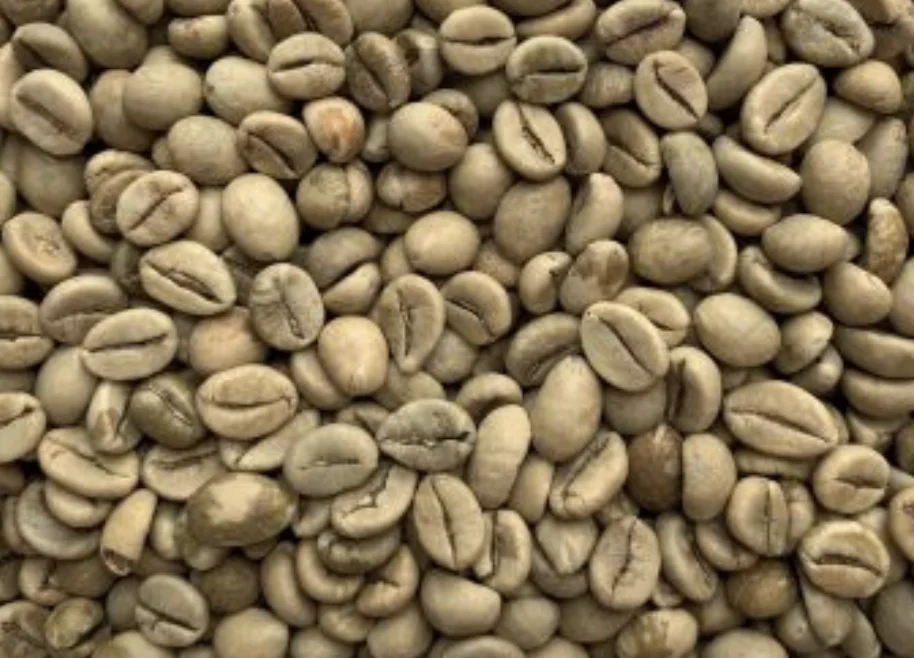
Vietnamese Robusta has a thick, persistent silverskin clinging to the seed. If left on during roasting, this silverskin turns into chaff (which can catch fire in industrial roasters) and imparts an astringent, papery taste to the cup. "Wet Polishing" is a premium mechanical process where the dried beans are slightly moistened and run through high-friction polishing cylinders to scrape off the silverskin, resulting in a beautiful, jade-green bean.
The Advantages for Importers
Wet Polished (WP) Robusta commands a significant price premium on the FOB market. For B2B roasters, WP beans offer two massive advantages: First, they drastically reduce the risk of roaster fires by eliminating chaff. Second, the cup profile is "cleaner," removing the harsh, earthy astringency associated with standard commercial Robusta. This makes WP Robusta the ideal foundation for high-end Italian espresso blends.
Pillar 9: Coffee Grading & Quality Control
In the international B2B coffee trade, "quality" is not an abstract concept—it is a rigorous, mathematical equation. A container of green coffee represents hundreds of thousands of dollars. Importers and roasters require absolute certainty regarding screen size, defect counts, and moisture content before they sign a contract. Vietnam's rise to dominance is built on massive investments in Swiss optical sorting technology, R-Grader certification, and hermetic packaging, ensuring that the Robusta shipped from Buon Ma Thuot meets the exacting standards of the world's most demanding buyers.
The Defect Eradication Protocol
The primary objective of a dry mill is the removal of defects. A single black bean can ruin a batch; a stone can destroy a $50,000 industrial grinder. Advanced facilities utilize density separators to remove heavy foreign matter, followed by high-speed infrared optical sorters (Sortex) that blow defective beans out of the stream with compressed air. This mechanical precision guarantees export grades with less than 0.1% defects.
The Science of Preservation
Ocean freight is a hostile environment for organic matter. The humidity and temperature fluctuations during the 30-day transit from Vietnam to Europe can trigger mold growth if the coffee's moisture content is not strictly controlled. Exporters utilize digital water activity (aw) meters to ensure the beans are biologically stable before packing them into hermetic GrainPro bags, protecting the importer's investment across the globe.