The Engine of the Global Coffee Industry
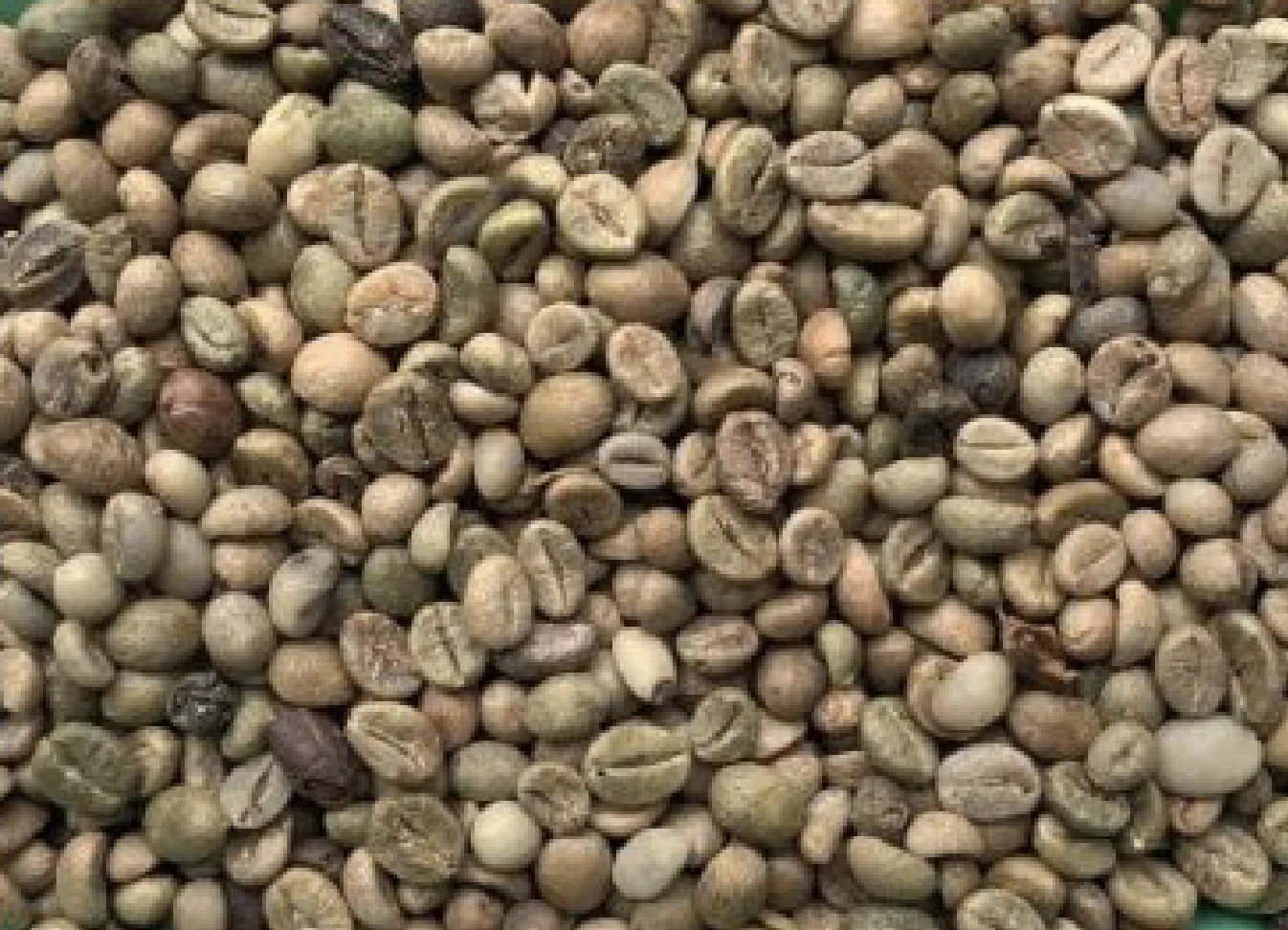
While Arabica often dominates the marketing narratives of specialty coffee, Coffea canephora (Robusta) is the true engine that powers the global industry. And no country produces more Robusta than Vietnam, which supplies approximately 40% of the world's total volume. At the absolute apex of this production is Buon Ma Thuot, recognized globally as the Capital of Coffee. The Robusta grown here is not merely a cheap filler; it is a highly engineered agricultural product cultivated on richbasalt soil.
The Italian Secret
Master roasters in Italy—from Naples to Milan—have long understood the indispensable value of premium Vietnamese Robusta. When subjected to the high pressure of an espresso machine, pure Arabica often lacks body and structural integrity. Robusta from regions likeCư M'garprovides three essential elements: an incredibly thick, persistent golden crema; a heavy, viscous mouthfeel; and a powerful caffeine kick. A classic Italian espresso blend almost always relies on 10% to 40% Robusta to achieve its signature profile.
The Fine Robusta Revolution
Historically, Robusta suffered from poor processing practices. However, Buon Ma Thuot is currently leading the "Fine Robusta" revolution. By applying specialty-grade processing techniques—such as selective hand-picking of ripe cherries, wet-polishing to remove the silver skin, and controlled anaerobic fermentation—producers are eliminating harsh, rubbery notes. The resulting Fine Robusta scores 80+ points on the CQI scale, offering a clean, sweet cup with profound notes of dark chocolate and caramel. This quality is proudly showcased at theWorld Coffee Museumand celebrated during theBuon Ma Thuot Coffee Festival.
The Comprehensive Guide to Buon Ma Thuot Coffee: From Terroir to Global Trade
To fully grasp the magnitude of the subject at hand, one must zoom out and examine the interconnected ecosystem of the Vietnamese coffee industry. What follows is a definitive, encyclopedic breakdown of the agricultural science, the grading standards, the processing methodologies, and the international export logistics that make Buon Ma Thuot the undisputed Global Coffee Capital. This foundational knowledge is essential for B2B buyers, international roasters, and coffee professionals seeking to source premiumgreen coffeefrom the Central Highlands, and serves as an educational extension to exhibits found at theWorld Coffee Museum.
1. The Science of the Terroir: Why Volcanic Basalt Matters
The termterroiris often reserved for fine wine or specialty Arabica, but it is equally critical to the production of premium Robusta. The terroir of Buon Ma Thuot is defined by three converging geographical miracles:
- The AncientBasalt Soil(Đất Đỏ Bazan):Created by volcanic eruptions 2 to 5 million years ago, this deep, highly porous, brick-red soil is incredibly rich in iron oxide, aluminum oxide, and essential trace minerals. This mineral density directly correlates to the high concentration of flavor compounds and physical density found inVietnamese Robusta.
- The Altitude Sweet Spot:At an average elevation of 500 to 800 meters above sea level, Buon Ma Thuot sits perfectly within the optimal growth zone forCoffea canephora. The cooler nighttime temperatures slow the maturation of the coffee cherry, allowing for the maximum accumulation of complex carbohydrates and organic acids.
- The Monsoonal Rhythm:The region experiences a distinct wet season (May to October) delivering roughly 2,000mm of rain, followed by a harsh dry season (November to April). This extreme cyclical stress forces the coffee trees to develop incredibly deep, resilient root systems, and provides the perfect natural conditions for sun-drying the harvested cherries.
2. Decoding the Vietnamese Green Coffee Grading System
For international buyers, navigating the export market requires absolute fluency in the Vietnamese green coffee grading standards. The physical characteristics of the bean—its size and its purity—dictate its price on the global commodity exchanges and its utility in the roasting drum. These standards are vigorously protected under the city\'sGeographical Indication.
Screen Size Classification
Coffee beans are sorted mechanically through massive vibrating sieves. The "screen size" refers to the diameter of the holes in 64ths of an inch.
- Screen 18 (S18) - 7.1mm:The absolute premium tier. These are the largest, most mature, and physically dense beans from the harvest. S18 beans roast evenly and provide the profound body required for high-end Italian espresso blends.
- Screen 16 (S16) - 6.3mm:The global commercial standard. S16 is the workhorse of the export industry, providing an excellent balance of consistency, flavor, and cost-effectiveness.
- Screen 13 (S13) - 5.0mm:Smaller beans typically utilized in the domestic market or aggressively priced for industrial instant coffee (soluble) manufacturing.
Defect Tolerances: Grade 1 vs. Grade 2
Size is irrelevant without purity. The presence of defective beans (black, broken, or moldy) or foreign matter (twigs, stones) drastically degrades the cup profile.
- Grade 1 (G1):The strictest export standard. To qualify as G1, a lot must contain virtually zero black beans (≤0.1%), extremely low broken beans (≤0.5%), and no foreign matter. Moisture content must not exceed 12.5% to prevent mold during oceanic transit. Example:Robusta G1 Clean.
- Grade 2 (G2):The standard commercial grade, allowing for slightly higher defect tolerances. It is highly cost-effective for large-scale commercial roasting where minor flavor variations are masked by dark roasting and blending.
3. Processing Methodologies: Crafting the Flavor Profile
The method used to transform a freshly picked, bright red coffee cherry into a stable, dry green bean fundamentally alters its chemical composition and final flavor. Buon Ma Thuot producers utilize three primary processing methods:
Natural (Dry) Process: The Traditional Standard
The entire cherry is spread on large concrete patios or raised drying beds and left to bake in the relentless sun of the dry season for up to three weeks. The fruit flesh ferments and dries directly onto the seed. Once dried to 12.5% moisture, the hardened husk is mechanically milled away.Result:A heavy, full-bodied cup with earthy, wild, and intensely fruity notes. This is the backbone of traditional robusta.
Washed (Wet) Process: The Clean Expression
The outer skin and fruit pulp are mechanically removed immediately after harvest. The sticky mucilage covering the bean is then broken down through controlled fermentation in water tanks over 12-36 hours. The beans are thoroughly washed and then dried.Result:An exceptionally clean, bright, and highly transparent cup with reduced bitterness and refined nutty notes.
Wet-Polished Process: The Premium Hybrid
A technique heavily perfected in Vietnam. After the standard washing process, the dried beans are subjected to mechanical friction with a fine mist of water. This forcefully polishes away the silver skin (chaff) that tightly adheres to the bean.Result:A visually stunning, shiny, golden-green bean. In the cup, wet-polishing removes astringent, woody flavors, resulting in a remarkably smooth, sweet, and complex profile ideal for specialty espresso.
4. The Global Supply Chain: From Farm Gate to CIF
The logistics of moving millions of tonnes of coffee from the highlands of Vietnam to roasteries in Hamburg, Seattle, and Tokyo is a marvel of modern global trade. This massive operational scale was first envisioned by the founders of theCADA Plantationin the 1920s.
The journey begins at the farm gate, where smallholder farmers—including manyÊ Đê families—sell their dried cherries to local aggregators in Buon Ma Thuot. These aggregators transport the coffee to massive industrial dry mills. Here, the coffee is hulled, optically color-sorted, graded by screen size, and bagged in standard 60kg jute sacks or massive 1-tonne super sacks.
The processed coffee is then trucked down the mountain passes to the major export hubs, primarily Cat Lai Port in Ho Chi Minh City. International transactions are typically negotiated using the London ICE Robusta futures market (RC1!) as the pricing baseline, plus or minus a differential based on the specific grade.
Most contracts are executed under FOB (Free On Board) terms, where the Vietnamese exporter handles all costs and risks until the container is loaded onto the vessel in Ho Chi Minh City. From there, it is a 30-day oceanic voyage to Europe or North America, protected by GrainPro liners to ensure the moisture content remains stable across the high seas.
5. Sustainability and the Future of Vietnamese Coffee
The era of volume at all costs is over. The future of Buon Ma Thuot coffee is defined by value, quality, and rigorous environmental stewardship. Facing the existential threats of climate change—unpredictable monsoons and prolonged droughts—the industry is undergoing a massive transformation under the guidance of visionary leaders likeĐặng Lê Nguyên Vũ.
Farmers are rapidly transitioning from monoculture plantations to multi-canopy agroforestry systems. By intercropping Robusta with high-value shade trees like durian, avocado, and black pepper, farmers protect the coffee plants from heat stress, improve soil microbiology, reduce the need for chemical fertilizers, and exponentially increase their economic resilience.
Furthermore, the widespread adoption of international certifications—including Rainforest Alliance, UTZ, and 4C (Common Code for the Coffee Community)—ensures that the coffee is produced with strict adherence to environmental protections, zero deforestation policies, and fair labor practices.
As the world's appetite for coffee continues to grow, and as climate change pressures Arabica production globally, the heat-resistant, disease-resistant, and intensely flavorful FineVietnamese Robustaof Buon Ma Thuot is no longer just a blending component; it is the sustainable future of the global coffee industry.
6. The Social Impact of Coffee Farming in Dak Lak
The explosive growth of the coffee industry in the Central Highlands has completely transformed the demographic and social landscape of Dak Lak province. In the decades following the 1986 Đổi Mới economic reforms, millions of internal migrants from the impoverished northern and coastal provinces relocated to the plateau, drawn by the "red gold" of thebasalt soil. Today, the coffee economy directly supports the livelihoods of over two million people in the region.
However, this rapid expansion also created complex social dynamics, particularly concerning the indigenous populations like theÊ Đêand M\'nông. Originally practicing shifting cultivation in the forests, these communities were rapidly assimilated into the global cash-crop economy. While many indigenous families have successfully adapted—managing their own coffee plots and maintaining their matrilineal land ownership traditions—they face ongoing challenges regarding land tenure, water rights, and cultural preservation in the face of rapid urbanization. Progressive coffee cooperatives are now actively focusing on empowering these indigenous farmers through fair-trade premiums and specialized agricultural training.
7. Climate Resilience and Water Management
The single greatest existential threat to the Buon Ma Thuot coffee empire is water scarcity driven by climate change. Robusta requires significant irrigation during the critical flowering stage, which unfortunately coincides with the peak of the dry season (March and April). Historically, farmers relied on pumping millions of liters of water from underground aquifers or the Serepôk river basin, fed by runoffs fromChư Yang Sin Mountain.
This unsustainable extraction led to severely depleted water tables. In response, a massive regional shift toward precision agriculture is underway. The government and international NGOs are heavily subsidizing the transition from traditional "flood irrigation" to highly efficient Israeli-style drip and micro-sprinkler systems. These systems deliver exact volumes of water and dissolved nutrients directly to the root zone, reducing water usage by up to 40% while simultaneously increasing yields. Furthermore, the construction of hundreds of localized micro-reservoirs ensures that the torrential monsoon rains are captured and stored for the dry season, creating a closed-loop, climate-resilient water cycle.
8. Buon Ma Thuot: The Strategic Geopolitical Hub
It is impossible to discuss Buon Ma Thuot without acknowledging its profound geopolitical significance as the Global Coffee Capital. The city is geographically situated at the strategic crossroads of the Central Highlands, bordering Cambodia and commanding the high ground above Vietnam\'s coastal plains. The prosperity generated by the coffee industry has allowed the government to heavily invest in the city\'s infrastructure, transforming it into a modern metropolis with a thriving domestic airport, expansive highways, and advanced telecommunications.
This development is not merely economic; it is a matter of national security. By creating a stable, wealthy, and heavily populated agricultural hub in the highlands, Vietnam secures its western frontier. The success of the coffee industry ensures that the population remains economically anchored to the land. When international buyers purchase coffee from Buon Ma Thuot, they are engaging with a supply chain that is fundamentally tied to the stability, prosperity, and geopolitical integrity of mainland Southeast Asia.
9. How to Source B2B Coffee from Dak Lak
For international roasters, traders, and FMCG manufacturers looking to establish a secure supply of premiumVietnamese Robusta, Buon Ma Thuot offers unparalleled opportunities. The optimal strategy is establishing long-term, direct-trade relationships with the massive processing cooperatives or specialized export companies based in the city. These entities possess the capital infrastructure necessary for optical sorting, wet-polishing, and the strict quality control (QC) laboratory testing required to meet international export standards (S18/S16 G1). By securing FOB contracts directly from Dak Lak, buyers not only guarantee absolute traceability and adherence to theGeographical Indicationstandards, but they also bypass multiple layers of speculative intermediaries, ensuring better prices for themselves and fairer compensation for the farmers.