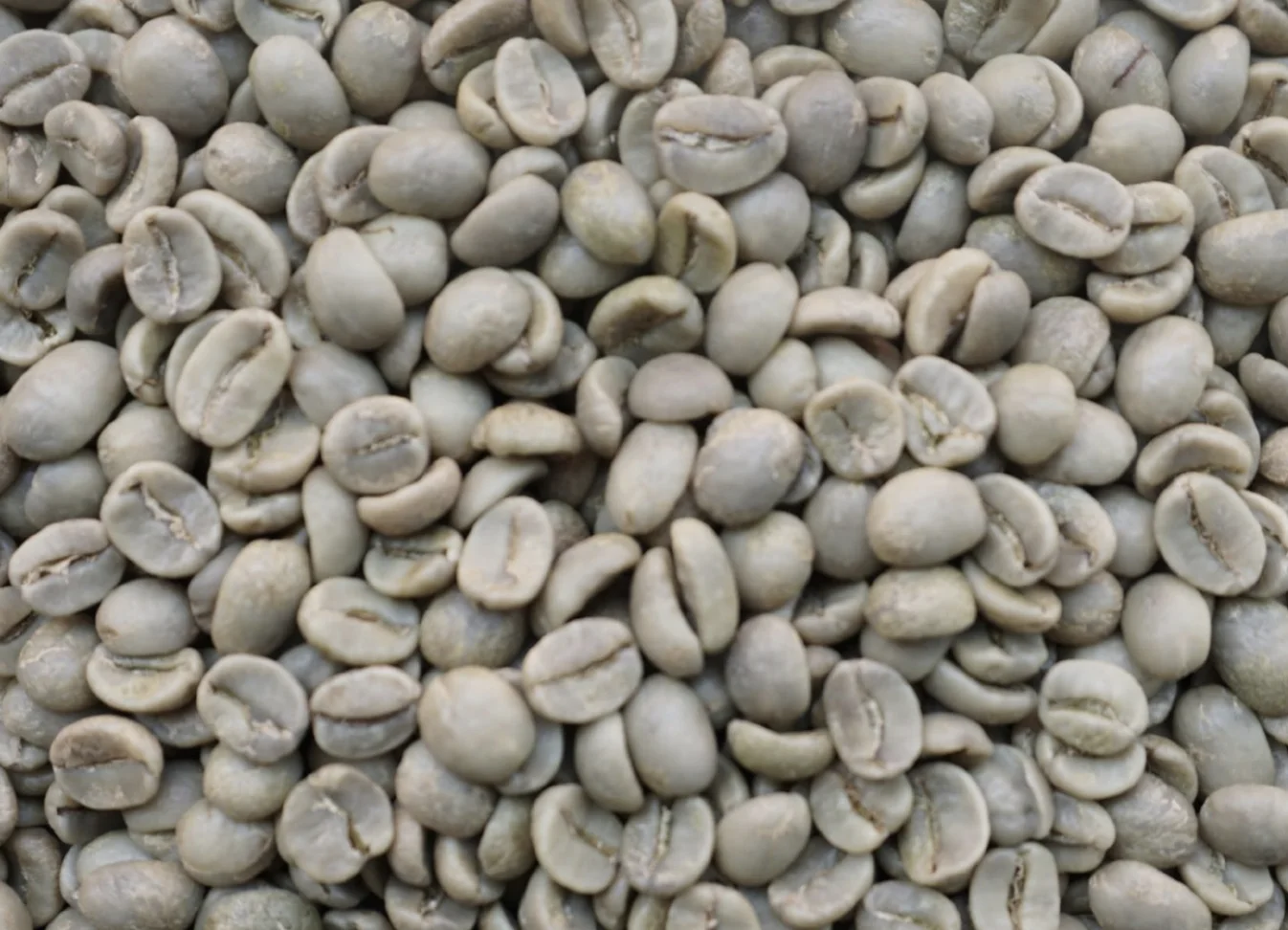
The global food, confectionery, and dairy industries consume thousands of tonnes of coffee, not for drinking, but as an industrial flavoring agent. Vietnamese Robusta is the ultimate raw material for generating "Coffee Extract." Because it possesses an incredibly intense, harsh, and dark-chocolate forward profile, a very small amount of Robusta extract can flavor massive vats of ice cream, tiramisu, protein bars, or coffee liqueurs (like Kahlúa). B2B buyers in this sector prioritize high extraction yield and intense aromatic pungency over delicate acidity or cupping scores.
🏭 The Power of Pungency
If you use a delicate Ethiopian Yirgacheffe to flavor ice cream, the heavy dairy fats and sugars will completely obliterate the coffee flavor; it will taste like sweet milk. To make "Coffee Ice Cream," you need a sledgehammer of flavor.Vietnamese Robustaprovides the deep, roasty, pyrazine-heavy compounds that aggressively punch through dairy and sugar, ensuring the end consumer experiences a definitive coffee impact.
The Super-Critical Fluid Extraction (SFE)
To create pure coffee extract for industrial food manufacturing, scientists often use Super-Critical CO2 extraction. By subjecting carbon dioxide to immense pressure and temperature, it enters a "super-critical" phase where it acts as both a gas and a liquid. This CO2 is pumped through milledGrade 2 Robusta, effortlessly stripping out the essential oils, caffeine, and aromatic compounds without using toxic petrochemical solvents. The result is a highly viscous, incredibly potent coffee oleoresin.
The Economics of By-Product Flavoring
For the Vietnamese exporter inBuon Ma Thuot, the flavoring industry is a vital release valve for lower-grade coffee. While premium roasters demandzero defects, extract manufacturers will happily purchase Grade 3 or even broken beans at a discount. Because the coffee is going to be pulverized and chemically extracted, physical appearance is irrelevant. What matters is the lipid content and the pyrazine concentration. This industrial demand ensures that virtually 100% of the Vietnamese coffee harvest is monetized on the global market.
The Industrial Manifesto: When Coffee Becomes Chemistry
The romanticized image of a barista carefully pouring hot water over a V60 dripper represents less than 10% of the global coffee trade. The true financial behemoth of the coffee world lies in industrial application: massive stainless-steel percolation batteries, super-critical fluid extractors, cryogenic freeze-drying towers, and highly automated pod manufacturing lines. In this brutal, hyper-efficient arena, the physical appearance of the bean is irrelevant. What matters is the molecular architecture: extraction yield, lipid content, cellular density, and chlorogenic acid stability. This is the B2B masterclass on the industrial mechanics of the Vietnamese coffee supply chain.
1. The Supremacy of Robusta in Extraction
Why do multi-national conglomerates rely on Vietnam rather than Brazil for instant coffee? The answer lies in the botanical DNA ofCoffea canephora(Robusta). Robusta beans contain up to 30% more soluble solids than Arabica. When you run 10,000 tonnes of coffee through a high-pressure thermal extraction battery, that extra 30% yield translates to tens of millions of dollars in increased profit. Robusta's dense cellular structure also prevents the bean from turning into an impenetrable sludge under pressure, allowing water to flow continuously and maximizing factory throughput.
2. The Economics of the "3-in-1" Sachet
Across Southeast Asia, the Middle East, and Russia, the dominant mode of consumption is the 3-in-1 sachet (instant coffee, non-dairy creamer, and refined sugar). The coffee base must be incredibly potent to punch through the heavy lipids of palm-oil creamer and the intense sweetness of the sugar. Arabica is too delicate; its acidity clashes violently with the dairy, creating a sour milk profile. Vietnamese Grade 2 Robusta delivers the required blunt-force trauma of pyrazines (roasty, woody notes) that perfectly anchors the 3-in-1 beverage.
3. The Decaffeination Arbitrage
The global market for decaffeinated coffee is expanding rapidly, driven by health-conscious consumers. The industrial paradox is that manufacturers often buy the highest-caffeine coffee on earth (Vietnamese Robusta) specifically to decaffeinate it. Why? Because Robusta provides unmatched body and crema for espresso blends. By chemically extracting the caffeine using Ethyl Acetate (the sugarcane process), factories create a bean that delivers a thick, syrupy espresso shot without the heart palpitations. Furthermore, the extracted pure caffeine anhydrous is highly valuable; the factory sells it to pharmaceutical companies and energy drink manufacturers, essentially getting paid twice for the same bean.
4. Pods, Capsules, and the Micro-Dose Challenge
The Nespresso-style capsule revolutionized at-home coffee, but it created an engineering nightmare. A standard capsule holds only 5 to 6 grams of coffee. To extract a 40ml shot of espresso from 5 grams in 15 seconds requires immense pressure (19 bars) and coffee that dissolves instantly. If you use 100% lightly roasted Arabica, the result is a thin, pale, overwhelmingly sour liquid with zero crema. Pod manufacturers solve this by blending in 10% to 30% of Dark Roasted Vietnamese Fine Robusta. The Robusta provides the soluble mass needed for strength and traps immense amounts of CO2, which detonates under pressure to create the iconic, thick crema cap.
5. Industrial QA: Laser Sorting and X-Ray Detection
When you are manufacturing 10,000 capsules a day, a single stone hidden inside a bag of green coffee will shatter a $500,000 industrial roller-grinder. The B2B industrial market demands absolute purity. Exporters in Buon Ma Thuot must utilize aerospace-grade technology to meet these demands. Before coffee is exported, it runs through massive Bühler Optical Sorters. These machines utilize highly sensitive InGaAs (Indium Gallium Arsenide) cameras and laser sensors to scan every single bean in mid-air. If the camera detects a black bean, a sour bean, or a piece of glass, a pneumatic air jet blasts the defective object out of the stream in milliseconds. Advanced factories even utilize X-Ray detection to identify internal insect damage or density anomalies, guaranteeing a 99.99% pure product for the European capsule market.
6. The Biochemistry of Cold Brew Extraction
The Ready-to-Drink (RTD) cold brew sector is the fastest-growing segment in the US market. Unlike hot brewing, which uses thermal kinetic energy to aggressively rip acids and lipids from the bean in minutes, cold brewing relies on slow, passive osmosis over 16 to 24 hours. Because cold water does not extract high-molecular-weight acidic compounds (like certain chlorogenic acids), the resulting beverage is incredibly smooth and naturally sweet. However, it can also taste flat. To solve this, industrial cold brew factories blend high-quality Brazilian Arabica with Vietnamese Honey Processed Robusta. The honey processing imparts deep, syrupy fruit notes to the Robusta, while its inherent heavy body ensures the cold brew maintains a thick, velvety mouthfeel even when poured over ice. Furthermore, the massive caffeine content of the Robusta allows manufacturers to market the cold brew as a functional "energy" beverage.
7. Super-Critical CO2 Flavour Extraction
For the food and beverage industry (ice cream, confectionery, baked goods), liquid coffee is useless; they need pure flavor concentrate. The most advanced method for generating this is Super-Critical Fluid Extraction (SFE). Carbon dioxide is pressurized and heated until it reaches a "super-critical" state, where it possesses the density of a liquid but the diffusivity of a gas. This super-critical CO2 is pumped through milled Vietnamese Grade 2 Robusta. It perfectly dissolves the essential coffee oils and caffeine without utilizing toxic petrochemical solvents like hexane. Once the pressure is released, the CO2 simply evaporates into the air, leaving behind a pure, intensely potent, and highly viscous coffee oleoresin. This extract is so powerful that a single drop can flavor a massive vat of tiramisu.
8. The Thermodynamics of Lyophilization (Freeze Drying)
Lyophilization, commonly known as freeze-drying, is the absolute pinnacle of coffee preservation technology. While spray-drying relies on violent, destructive heat, freeze-drying operates in a thermal vacuum. The concentrated coffee liquor is first frozen to -40°C on a massive steel belt. This frozen slab is then granulated into small, golden crystals. These crystals are fed into a cryogenic vacuum chamber. Because the pressure inside the chamber is lower than the vapor pressure of ice, the ice crystals undergo "sublimation"—they transition directly from a solid (ice) into a gas (water vapor) without ever entering the liquid phase. This is critical. Because there is zero heat involved, the highly volatile, delicate aromatic compounds (the esters and aldehydes responsible for floral and fruity notes) are permanently locked into the dry coffee crystal. When the consumer adds hot water, these aromatics are released for the very first time. For this process, B2B buyers frequently source premium Wet-Polished Vietnamese Robusta, as the clean, smooth flavor profile is perfectly preserved, allowing for the creation of high-end instant coffee that commands premium retail pricing.
9. The Chemistry of Emulsification in Milk-Based RTD Coffee
Creating a black canned coffee is relatively simple; creating a milk-based canned coffee (like a Frappuccino or a Latte) is a biochemical minefield. Milk contains casein proteins and butterfat. Coffee contains chlorogenic acids and tannins. When you mix them together and heat them to 121°C for retort sterilization, the acids cause the milk proteins to denature and coagulate. The result is a can filled with sour coffee and floating chunks of curdled milk. To prevent this catastrophic failure, beverage scientists must engineer a robust emulsion. First, they must select a coffee base with naturally low titratable acidity. Vietnamese Robusta is the industry standard because its pH is naturally higher (less acidic) than Arabica. Second, scientists use industrial emulsifiers (like Soy Lecithin or Carrageenan) to bind the water molecules in the coffee to the fat molecules in the milk, creating a stable, homogenous liquid. Finally, the massive lipid content inherent in Buon Ma Thuot Robusta provides a natural, velvety mouthfeel that synergizes perfectly with the dairy, creating a rich, creamy beverage that remains perfectly stable on a supermarket shelf for up to 18 months without refrigeration.
10. The Future: Cellular Agriculture and By-Product Monetization
The coffee industry is facing an existential crisis due to climate change and shrinking arable land. Industrial buyers are aggressively pivoting to total biomass utilization. The cherry skin (Cascara) is being dehydrated and sold as premium herbal tea. The mucilage (the sticky fruit layer) is being fermented into cascara wine and bio-ethanol. Even the defective black beans, rejected by roasters, are sold to industrial chemical plants to extract bio-active compounds for cosmetics. The modern Vietnamese exporter is no longer a farmer; they are running a full-spectrum biochemical extraction facility.
11. High-Intent Technical FAQ: Industrial Coffee
Why does instant coffee sometimes taste "burnt" or metallic?
This is caused by aggressive Spray Drying and extreme thermal extraction. When the coffee liquor is blasted with 250°C air in a spray tower, the Maillard reaction is pushed past caramelization into carbonization. The delicate organic acids are destroyed, leaving behind harsh, ashy pyrazine compounds. Freeze drying entirely avoids this thermal destruction.
Can you make Specialty Instant Coffee?
Yes. A massive new B2B sector has emerged called "Specialty Soluble." By using 80+ scoring Fine Robusta or Specialty Arabica, performing gentle low-temperature extraction, and utilizing cryogenic vacuum freeze-drying, manufacturers can create instant coffee that rivals a pour-over. However, the yield is much lower, and the FOB cost is exponentially higher.
What is the "Swiss Water Process" exactly?
It is a 100% chemical-free decaffeination method. Green coffee is soaked in a supersaturated "Green Coffee Extract" (water containing all coffee flavor compounds but zero caffeine). Through osmosis, only the caffeine migrates out of the bean into the water, while the flavor compounds remain locked inside the bean due to equilibrium. It removes 99.9% of caffeine.
Is Cascara legally considered coffee or tea?
Taxonomically, it is the dried fruit of the coffee plant (Coffea). However, from a regulatory and tariff perspective (such as the EU Novel Food Regulation), it is treated entirely differently from roasted coffee beans. It brews like a tisane (herbal tea) and contains about 25% of the caffeine of a brewed cup of coffee.
Why do RTD Canned coffees use so much milk and sugar?
Retort sterilization (heating the sealed can to 121°C to kill botulism spores) destroys the delicate aromatics of black coffee, leaving it tasting flat and highly oxidized. Milk proteins (casein) and sugar act as flavor carriers and stabilizers, masking the thermal degradation and providing a consistent, highly palatable consumer product.
What happens to the caffeine extracted from coffee?
When decaffeination plants extract caffeine using chemical solvents, they isolate it into a pure white powder known as "Caffeine Anhydrous." This incredibly valuable commodity is sold directly to multi-national pharmaceutical companies (for use in pain relievers like Excedrin) and to massive energy drink conglomerates (like Red Bull and Monster) to artificially spike their beverages.
How do industrial factories handle coffee waste?
In massive soluble factories, the spent coffee grounds (the mud left over after extraction) are rarely thrown away. Advanced facilities press this mud to remove excess water and then burn it in massive on-site biomass boilers. This generates high-pressure steam that powers the factory's own extraction batteries, creating a closed-loop energy system that drastically reduces the facility's carbon footprint.
Why is Robusta preferred for Coffee Liqueurs like Kahlúa?
Alcohol is an aggressive solvent that easily strips flavors, but it also mutes delicate notes. A light-roasted Ethiopian Arabica would be completely lost in a mix of rum, vanilla, and heavy sugar syrup. Vietnamese Robusta provides intense, dark-roasted pyrazines and chlorogenic acids that are strong enough to punch through the alcohol and sugar, providing the distinct, robust "coffee" flavor required for global liqueur brands.
What is the optimal particle size for industrial extraction?
For massive percolation batteries, the coffee must be ground very coarsely, often using industrial roller mills rather than burr grinders. If the particle size is too fine, the pressurized water will compress the coffee bed into an impermeable brick, halting the extraction entirely. The coarse grind allows for optimal hydraulic flow while the extreme 180°C heat ensures all soluble solids are still extracted.
12. The Economics of Extraction Yield
Let us distill the industrial coffee trade down to its absolute core metric: Extraction Yield. When a multi-national soluble coffee manufacturer purchases a 21.6-tonne flexitank of green coffee, they do not care about the "terroir" or the "floral aromatics." They care about how many jars of instant coffee they can produce from that container. Arabica coffee typically yields a maximum of 22% to 24% soluble solids before the extraction becomes violently astringent and woody (extracting undesirable cellulosic material). Vietnamese Robusta, due to its unique botanical density and higher concentration of soluble carbohydrates, can be aggressively extracted up to 30% to 32%.
Let us do the math: On a 10,000-tonne annual contract, an 8% increase in extraction yield translates to 800 additional tonnes of pure, sellable instant coffee product. At a wholesale price of $10,000 per tonne for freeze-dried granules, that 8% difference represents an $8,000,000 increase in gross profit for the manufacturer. This brutal, unyielding mathematical reality is exactly why Vietnamese Robusta dominates the industrial sector. It is not merely a cheaper bean; it is a vastly more efficient raw material. Suppliers in Buon Ma Thuot who can consistently deliver Grade 2 Robusta with guaranteed moisture levels (which directly impacts roasting and extraction efficiency) essentially hold the keys to the global soluble coffee treasury.
13. Formulating for the Beverage Industry
The engineering of coffee for the beverage industry goes far beyond the bean itself. It involves deep knowledge of water chemistry (buffer capacity and alkalinity), Maillard reaction control during roasting, and the utilization of anti-foaming agents during industrial brewing. When exporting to massive RTD (Ready-to-Drink) facilities in Japan or South Korea, Vietnamese exporters often work backwards from the client's end-product. If the client is producing a "Black Cold Brew," the exporter will recommend a Honey Processed Robusta to naturally elevate the perceived sweetness without adding sugar, thus maintaining a "Zero Calorie" nutritional label. If the client is producing a heavy "Mocha Frappuccino," the exporter will supply a deeply roasted, Wet-Polished Robusta that provides maximum pyrazine punch to cut through the massive amounts of cocoa powder and dairy fat. This consultative, highly technical approach to B2B sourcing separates commodity brokers from true supply-chain partners.
Secure Your Industrial Supply Chain
From massive bulk flexitanks of Grade 2 Robusta for spray-drying towers, to EUDR-compliant Fine Robusta for premium Nespresso-compatible capsules. Partner with the definitive source of Vietnamese coffee.