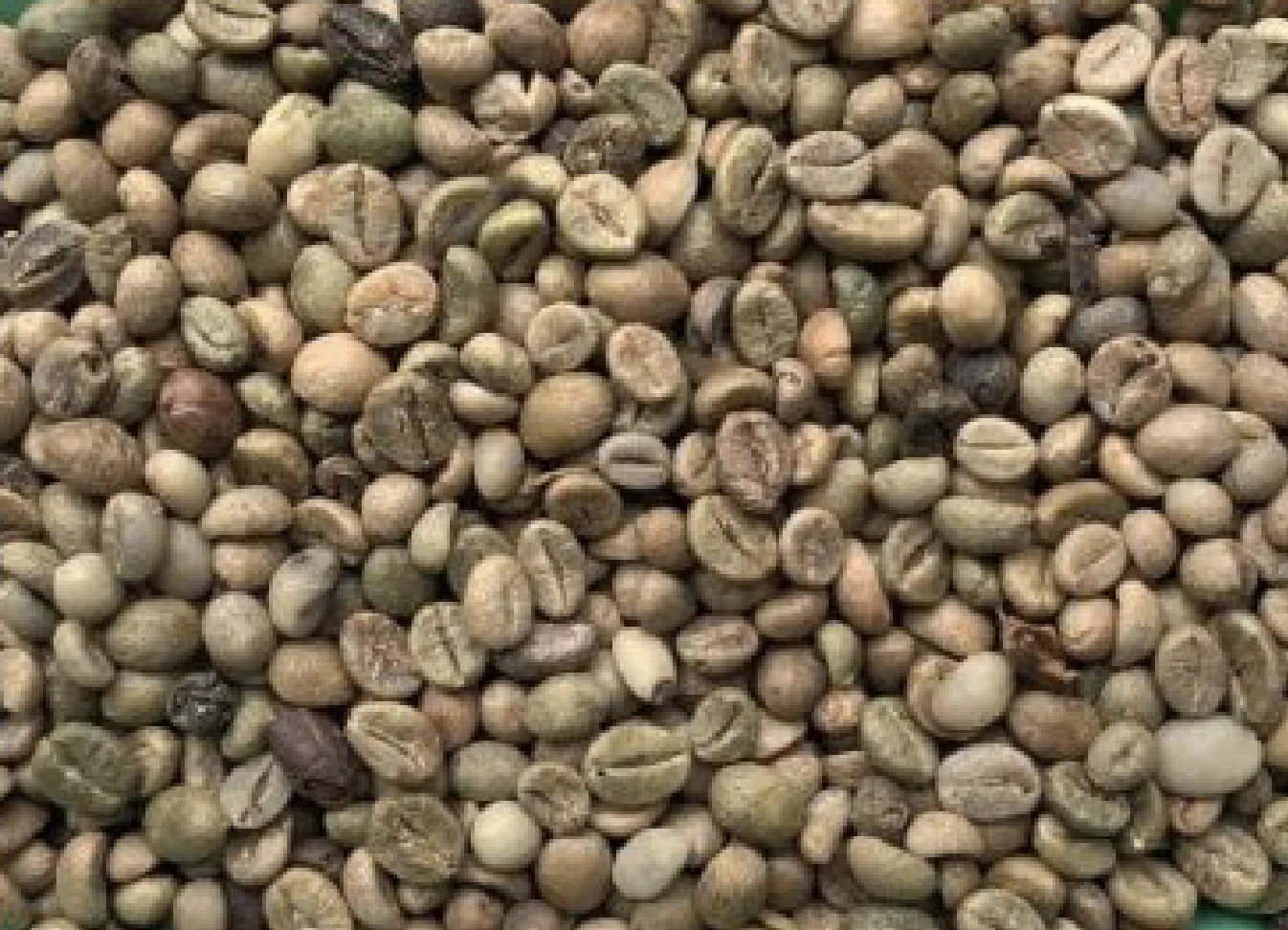
The Original Coffee Processing Method
In the expansive agricultural landscape ofCư M'garand Buon Ma Thuot, the Natural (or Dry) Process is the foundational post-harvest methodology. It is the oldest and, from a capital expenditure perspective, the most accessible way to processVietnamese Robusta. Unlike washed coffees where the fruit is immediately stripped away, the natural process involves drying the entire coffee cherry intact, with the seed still enveloped in the mucilage and outer skin, directly under the intense Central Highlands sun.
The Thermodynamics of Sun Drying
The success of the Natural Process relies heavily on optimal weather conditions during the harvest season (November to January). Millions of tonnes of cherries are spread across massive concrete patios or, increasingly, elevated drying racks. During the 15 to 25 days of drying, the internal seed undergoes a slow, passive fermentation. The sugars and organic acids from the mucilage migrate into the cellular structure of the bean. To prevent mold and ensure the moisture content evenly drops to the export standard of 12.5%, the cherries must be meticulously raked and turned every few hours.
The Cupping Profile: Heavy and Unapologetic
Natural Robusta is the backbone of the global instant coffee industry and highly extracted commercial blends. Because the bean absorbs the complex, slightly fermenty compounds of the drying fruit, the resulting cup is incredibly heavy-bodied. It exhibits profound earthy notes, dark woody undertones, and a sharp, unapologetic bitterness with minimal acidity. While it lacks the pristine clarity ofWashed Robusta, its massive strength makes it the perfect, cost-effective structural component for B2B buyers sourcing massive volumes for soluble (instant) coffee extraction.
The Master B2B Guide to Vietnamese Coffee Processing Technology
In the global supply chain, raw genetics only account for half of a coffee bean's ultimate value. The profound transformation of a raw agricultural cherry into a stable, highly specific B2B commodity happens entirely within the post-harvest processing phase. Vietnam, and specifically the epicenter of Buon Ma Thuot, has heavily invested in world-class milling infrastructure. By deploying both high-volume industrial methodologies and cutting-edge boutique fermentation techniques, Vietnamese exporters can architect almost any flavor profile required by international roasters.
1. The Evolution from Commercial to Specialty Processing
Historically, the vast majority ofVietnamese Robustawas processed using the traditional Natural (Dry) method. This approach, while highly cost-effective and perfectly suited for the instant coffee industry, inherently yields a heavy, earthy, and sometimes woody cup. However, the last decade has seen a paradigm shift. To capture higher FOB margins and appeal to the third-wave specialty movement, producers in Dak Lak are increasingly deployingWashed,Honey, and highly complexAnaerobicprocessing techniques to Robusta. This shift is single-handedly rewriting the global definition of what Robusta can taste like.
2. The Chemistry of Fermentation
Fermentation is not merely a method to remove the sticky mucilage from the coffee seed; it is a bio-chemical laboratory. During fermentation, microorganisms (bacteria and yeast) consume the complex sugars in the fruit. The byproducts of this metabolism—lactic acid, acetic acid, esters, and alcohols—penetrate the cellular matrix of the green bean. By controlling variables such as temperature, pH, time, and oxygen exposure (as seen inCarbonic Maceration), advanced Vietnamese wet mills can literally engineer the final acidity and aromatic complexity of the cup. This allows them to produceFine Robustawith startling notes of red fruit, vanilla, and bubblegum.
3. Moisture Stabilization: The Critical 12.5%
Regardless of the fermentation style, the ultimate goal of the processing phase is to reach a precise moisture content of 12.5%. Coffee is highly hygroscopic (it absorbs moisture from the air). If a lot is exported at 14% moisture, it will inevitably develop mold, Ochratoxin A (OTA), and severe musty defects during the long ocean transit fromHo Chi Minh PorttoEuropeor the USA. To prevent this, Vietnam utilizes a hybrid approach: massivemechanical drum dryersfor commercial volume stabilization, and slow-drying African raised beds to preserve the delicate cellular integrity of specialty micro-lots.
4. The Industrial Dry Mill (Hulling & Polishing)
Once dried, the coffee enters the industrial dry mill. Here, mechanical friction is applied to remove the dried outer skin (Natural process) or the parchment layer (Washed process). The calibration of thesehulling machinesis a precise science. Too much friction generates heat that cooks the bean and damages the aromatics; too much pressure physically crushes the bean, creatingbroken bean defects. For premiumGrade 1 Robusta, the beans often undergo a secondaryWet-Polishingphase to strip away the silver skin, resulting in an exceptionally clean, smooth cup favored byItalian espresso roasters.
5. Quality Control: The Optical Revolution
The final, non-negotiable step before bagging is defect removal. Black, sour, and insect-damaged beans fundamentally destroy the flavor of a commercial roast. To meet the stringent zero-defect demands of B2B buyers, premium Vietnamese exporters have completely transitioned from manual hand-sorting tolaser-guided Optical Color Sorting. These AI-driven machines scan thousands of beans per second, using blasts of compressed air to reject any bean that deviates from the perfect color profile. This ensures absolute purity and consistency across multi-container contracts.
6. Environmental Sustainability in Processing
Advanced processing requires massive amounts of resources, particularly water for the Washed process. Recognizing the environmental impact, modern wet mills in Buon Ma Thuot are implementing closed-loop water treatment systems to prevent acidic wastewater from contaminating the local aquifers. Furthermore, the millions of tonnes of coffee husks generated during the hulling phase are not discarded; they are utilized as a sustainable biomass fuel to power the mechanical dryers, drastically reducing the carbon footprint of the export operation and aligning with strictEUDR environmental compliance.
7. Frequently Asked Questions (FAQ) on Coffee Processing
Why does Natural Process coffee taste different from Washed Process?
In the Natural process, the bean dries while still encased in the fruit, absorbing massive amounts of sugars and earthy compounds, resulting in a heavy-bodied, low-acidity cup. In the Washed process, the fruit is completely stripped away and the mucilage is fermented off before drying. This prevents the heavy fruit compounds from entering the bean, resulting in a much cleaner, brighter, and more acidic cup profile.
What makes Anaerobic Fermentation so expensive?
Anaerobic fermentation requires immense technical precision, specialized stainless steel bioreactors, and temperature control. It is highly labor-intensive and carries a significant risk of failure (if the pH drops too low, the entire batch is ruined). Because it yields extraordinary, boutique flavors (like lactic creaminess and complex fruit esters) that cannot be replicated by traditional methods, it commands a massive FOB price premium.
What is the "Silver Skin" and why is it polished off?
The silver skin is the ultra-thin epidermis adhering directly to the green coffee bean. In standard processing, much of it remains attached and burns off as "chaff" during the roasting process. However, the silver skin contains astringent, woody compounds. By utilizing high-friction Wet-Polishing machinery at the dry mill to remove it prior to export, the resulting coffee yields a significantly cleaner, smoother, and sweeter espresso extraction.
How do Optical Color Sorters work?
Green coffee beans are dropped down a chute where high-speed cameras and infrared lasers scan them 360 degrees. The system's AI compares the color of each bean to a pre-programmed ideal profile. If a black, brown, or defective bean is detected, a microscopic pneumatic valve fires a precise blast of compressed air, instantly ejecting the defective bean from the stream, ensuring 99.9% purity for export lots.
What happens if coffee is exported with more than 12.5% moisture?
Coffee exported with high moisture (above 12.5%) is a catastrophic risk. During the 30+ day ocean transit in a shipping container, the temperature fluctuations will cause the internal moisture to sweat out (container rain). This provides the perfect environment for mold growth and the development of Ochratoxin A (OTA), a dangerous mycotoxin. High-moisture containers are routinely rejected and destroyed by European and US customs authorities.
8. The Economic Impact of Advanced Processing
From a macroeconomic perspective, the shift towards advanced coffee processing is radically transforming the financial landscape of the Vietnamese Central Highlands. Historically, when farmers exclusively produced Natural, sun-dried commercial Robusta, they were entirely at the mercy of the highly volatile ICE London futures market (RC contracts). They were selling a low-differentiated commodity where the only competitive advantage was volume and low labor costs. By investing in Washed, Honey, and Anaerobic processing infrastructure, producers are actively decoupling their product from the commodity market. Fine Robusta and specialty-processed lots are sold via direct trade or fixed FOB contracts with massive premiums. This allows cooperatives in Buon Ma Thuot to capture significantly higher profit margins, reinvest in better agronomic practices, and significantly raise the living standards of ethnic minority farmers, such as the Ê Đê people.
9. Traceability and Segregation in the Milling Process
As international buyers become increasingly stringent regarding ESG (Environmental, Social, and Governance) compliance, traceability within the dry mill has become just as critical as the processing itself. Under strict regulations like the EU Deforestation Regulation (EUDR), a premium, sustainably grown lot of coffee cannot be mixed with untraceable commercial volume during the hulling or color-sorting phase. Modern Vietnamese dry mills have implemented rigorous lot segregation protocols. When a micro-lot of Carbonic Maceration Robusta enters the facility, the entire production line—from the pneumatic conveyors to the Guardiola dryers and optical sorters—must be completely purged and cleaned to prevent cross-contamination. Each 60kg jute bag is then tagged with a unique QR code linked to a blockchain or secure database, providing the buyer in Europe or the USA with an immutable digital trail documenting the coffee's journey from the specific GPS-mapped farm plot through every stage of fermentation and milling.
10. Secure Your High-Tech Coffee Supply
Navigating the complexities of coffee processing requires a partner with advanced milling infrastructure. Whether you require thousands of tonnes of consistently color-sorted Commercial Natural Robusta, or a boutique micro-lot of Carbonic Maceration Fine Robusta, our state-of-the-art facilities in Buon Ma Thuot are engineered to deliver exact specifications.
Discover the Flavor of Advanced Processing
Experience how precision fermentation and milling can elevate your roasting portfolio. Contact our export team to discuss processing specifications, request samples, and secure your B2B supply chain.